Water Treatment & Filtration
Technology introduction
Water Treatment & Filtration
Simple Introduction to Water Treatment and Filtration Systems for Borehole Water and Stream Channel Water
Water treatment and filtration systems play a crucial role in ensuring the quality and safety of water sourced from boreholes and natural stream channels. These systems are designed to remove impurities, contaminants, and pathogens, making the water suitable for various applications such as drinking, irrigation, industrial use, or environmental conservation.
Here's a brief overview:
Key Components and Processes:
1. Pre-Treatment: Initial steps involve sedimentation, coagulation, and flocculation to remove large suspended particles, turbidity, and organic matter. This prepares the water for further filtration.
2. Filtration:
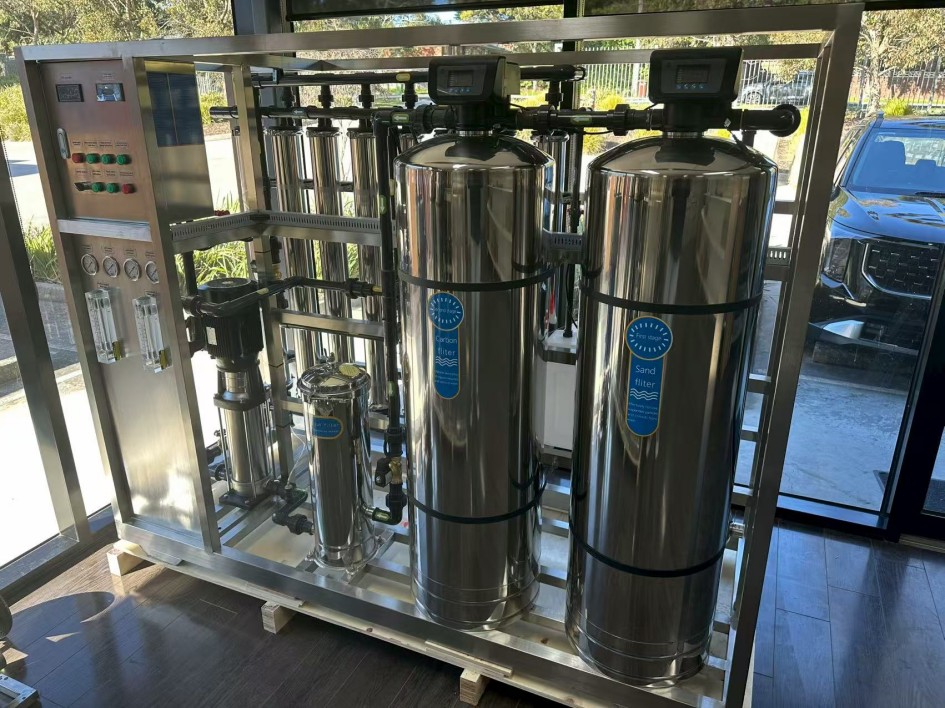
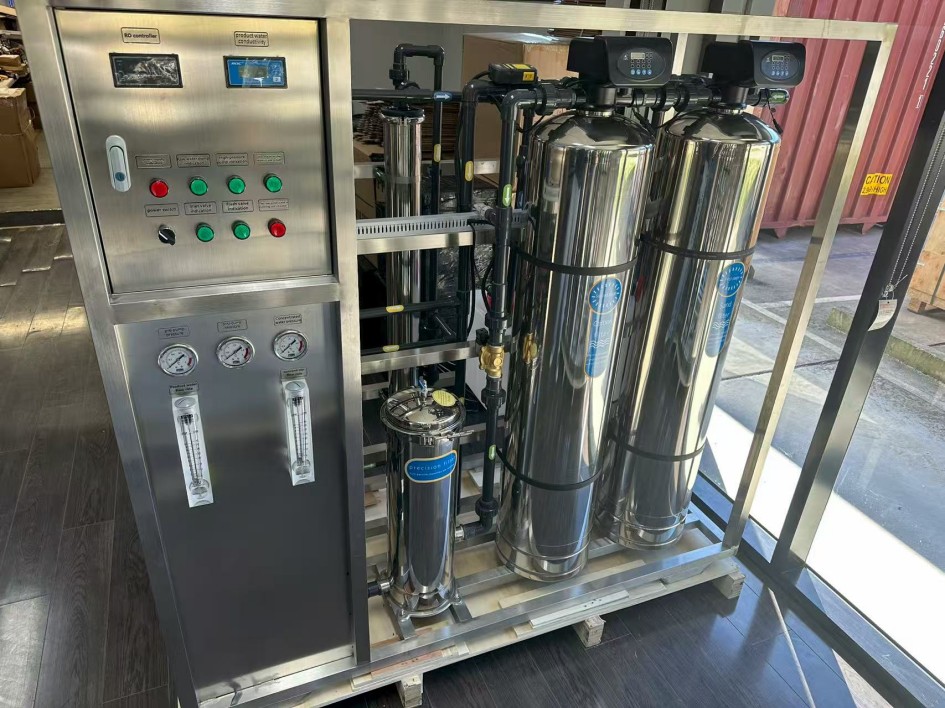
○ Physical Filtration: Multi-stage filtration using media such as sand, gravel, activated carbon, or membrane filters (e.g., microfiltration, ultrafiltration) to trap sediments, bacteria, viruses, and dissolved solids.
○ Chemical Treatment: Addition of disinfectants (e.g., chlorine, UV radiation) or chemical agents to neutralize harmful substances.
3. Disinfection: UV sterilization or chlorination to eliminate microbial contaminants, ensuring microbiological safety.
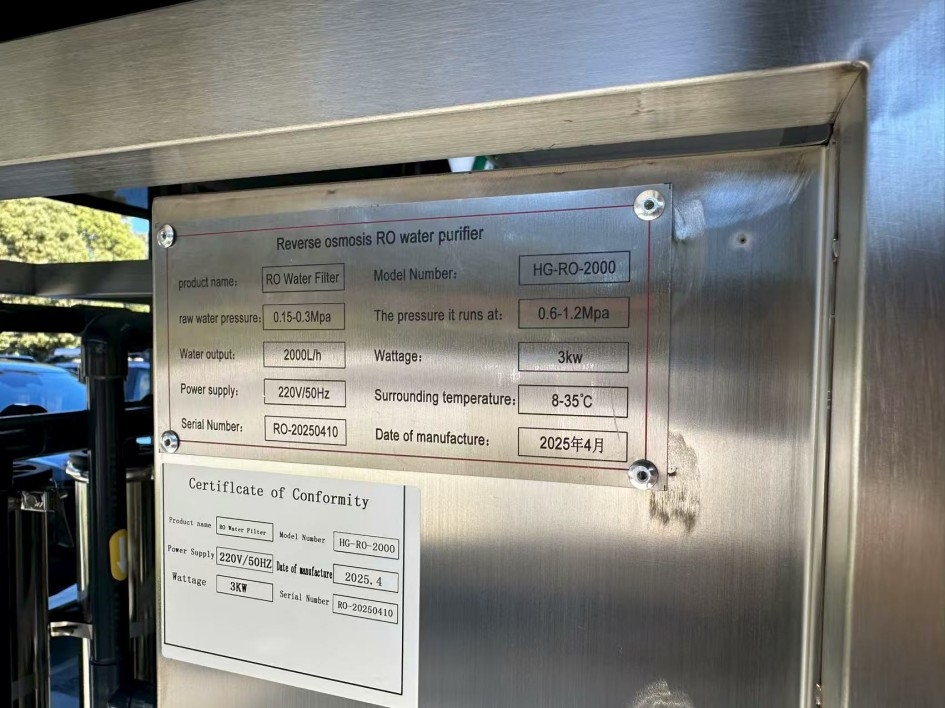
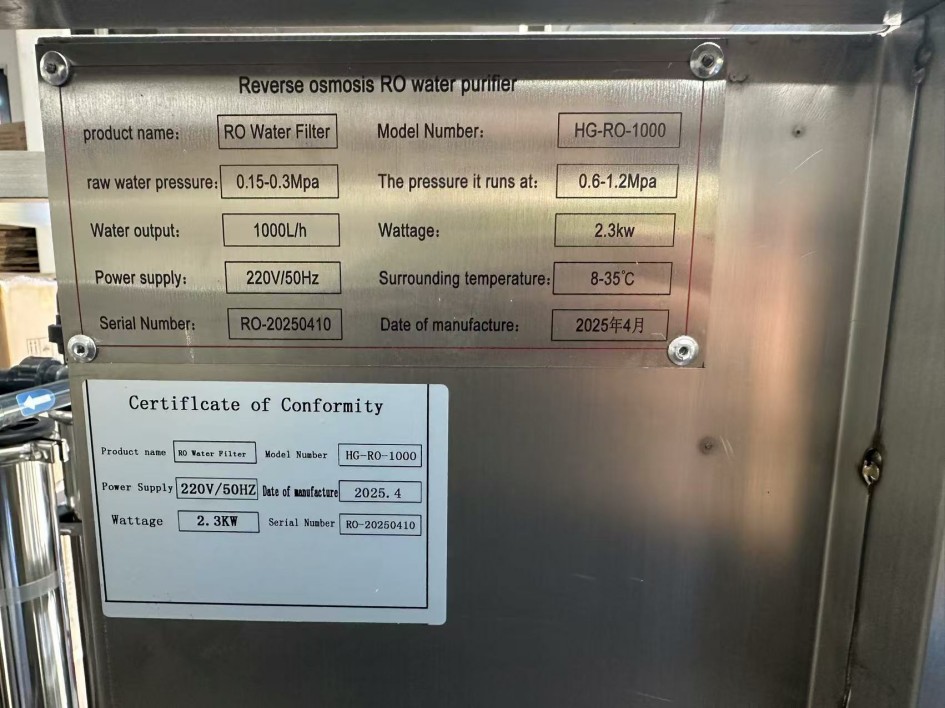
4. Advanced Treatment (Optional): Processes like reverse osmosis (RO) or ion exchange for removing dissolved salts, heavy metals, or specific chemicals.
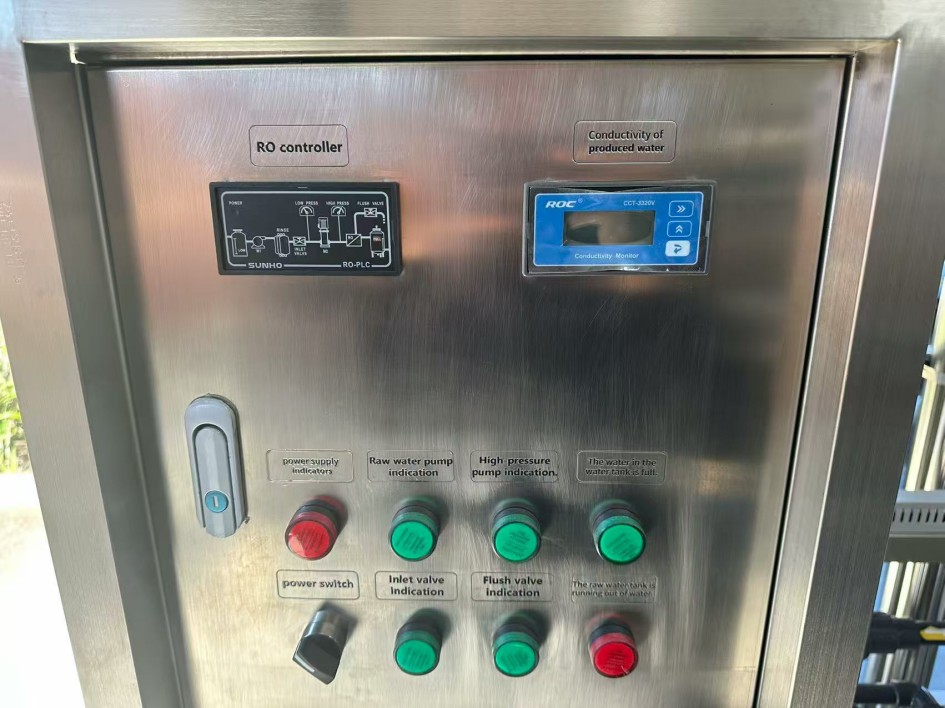
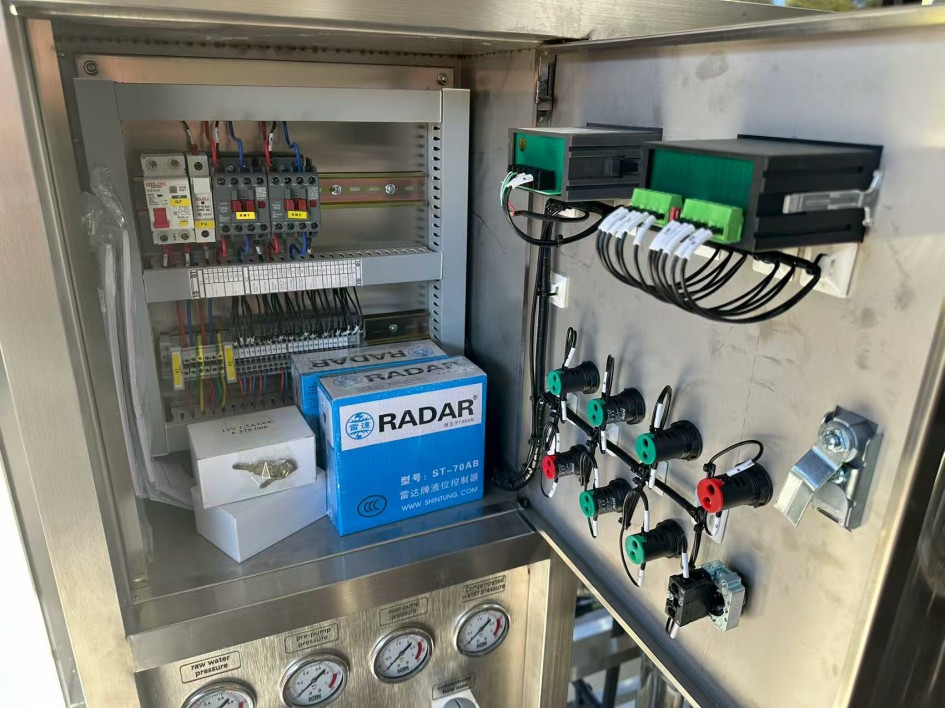
5. Monitoring and Control: Automated systems with sensors and control panels to regulate flow rates, pressure, and water quality parameters in real-time.
Application for Borehole and Stream Water:
● Borehole Water: Typically contains high mineral content, dissolved solids, or potential groundwater contamination. Treatment focuses on reducing hardness, iron/manganese removal, and disinfection.
● Stream Channel Water: Subject to seasonal variations, turbidity, organic debris, and surface runoff pollutants. Systems prioritize sediment removal, biological filtration, and pathogen control.
Benefits:
● Improved water clarity and taste.
● Compliance with health and environmental regulations.
● Energy-efficient and cost-effective operation.
● Scalable designs for different flow rates and water volumes.
● Low maintenance requirements with automated backwashing or self-cleaning mechanisms.
System Design Considerations:
● Source water quality analysis.
● Flow rate and pressure requirements.
● Environmental conditions (e.g., temperature, pH).
● Intended end-use (potable vs. non-potable applications).
These systems are essential for sustainable water management, safeguarding public health, and optimizing water resources in both rural and industrial settings. Customization based on specific water characteristics ensures efficient and reliable performance.